
Care Guide for Long-Lasting Beauty
Preserved roses last years with minimal care. We cover dusting, humidity, light conditions, and storage tips to keep your dome looking fresh.
Learn what to look for when selecting a preserved rose gift. We'll walk you through size, rose quality, dome style, and lighting options so you can pick something you'll actually love.
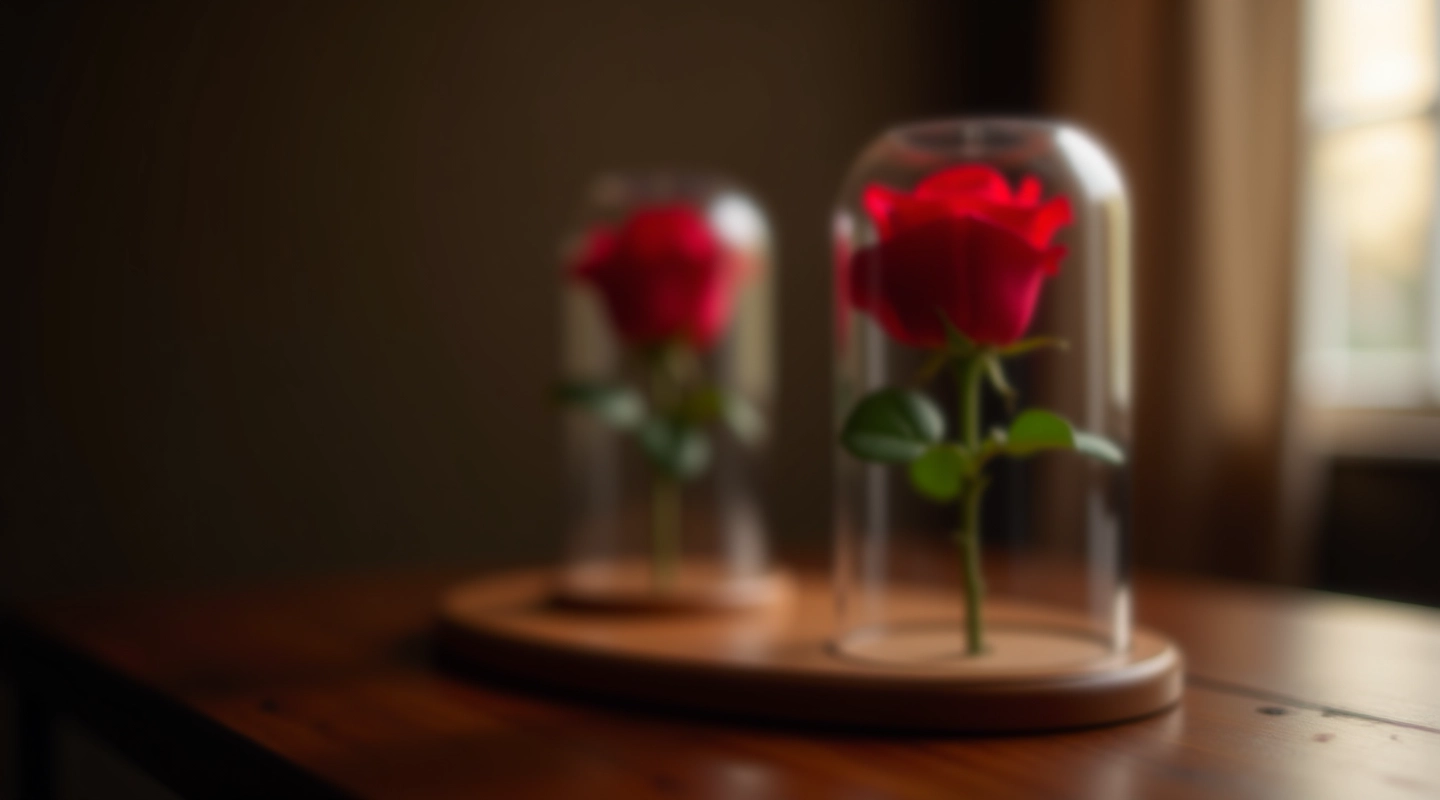
Preserved roses aren't your typical bouquet. They're real roses that've been treated to last for years — we're talking 3 to 5 years or longer, depending on care. That's the appeal. You get something that looks fresh, feels genuine, but won't wilt in a week.
But here's the thing: not all preserved rose domes are created equal. The quality varies. The size matters. The lighting changes how it looks in your space. So before you pick one, it's worth understanding what you're looking at.
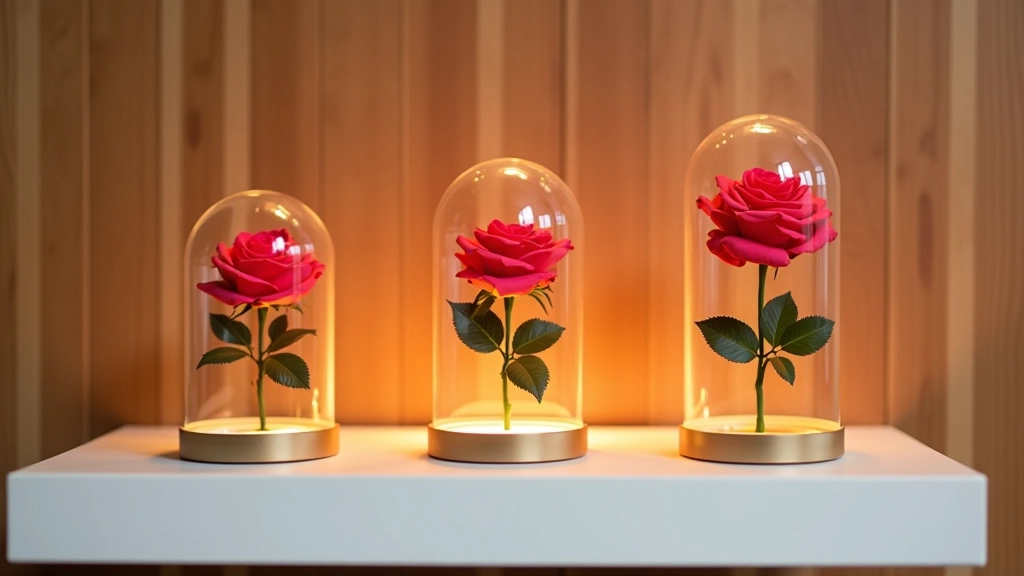
The dome size affects where it fits in your space and how it feels. You've got options ranging from small (around 5-6 inches tall) to larger statement pieces (12+ inches). Small ones work great on shelves or desks. They're delicate-looking and don't command attention, which some people prefer.
Medium sizes — around 8-10 inches — are the sweet spot for most people. They're visible from across the room without being overwhelming. Large domes? Those are conversation pieces. They need a proper display spot, like a nightstand or accent table. Don't cram it into a corner.
Think about your room's scale too. A tiny dome in a big living room looks lost. A huge dome in a small bedroom dominates. It's worth measuring your spot before buying.
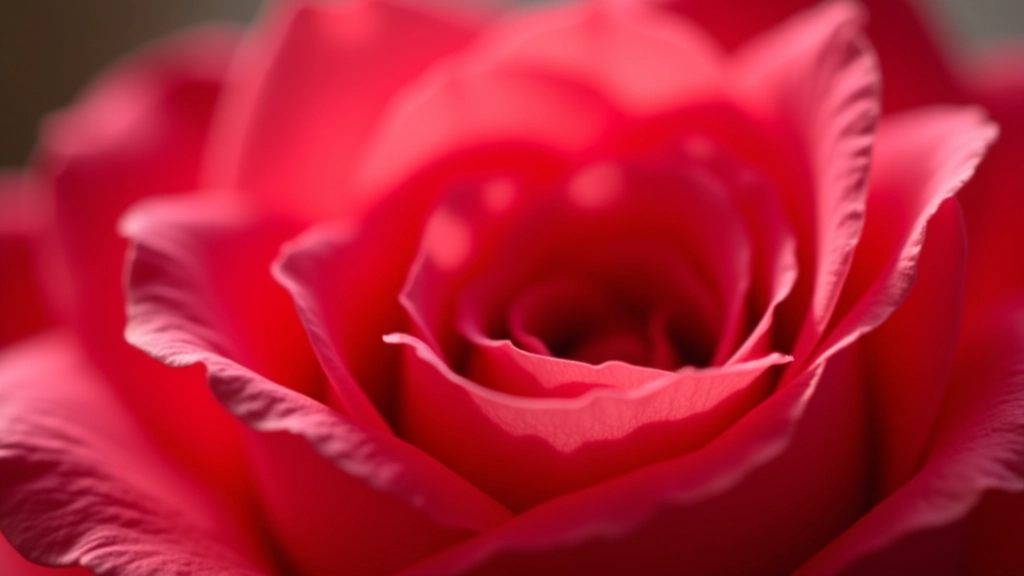
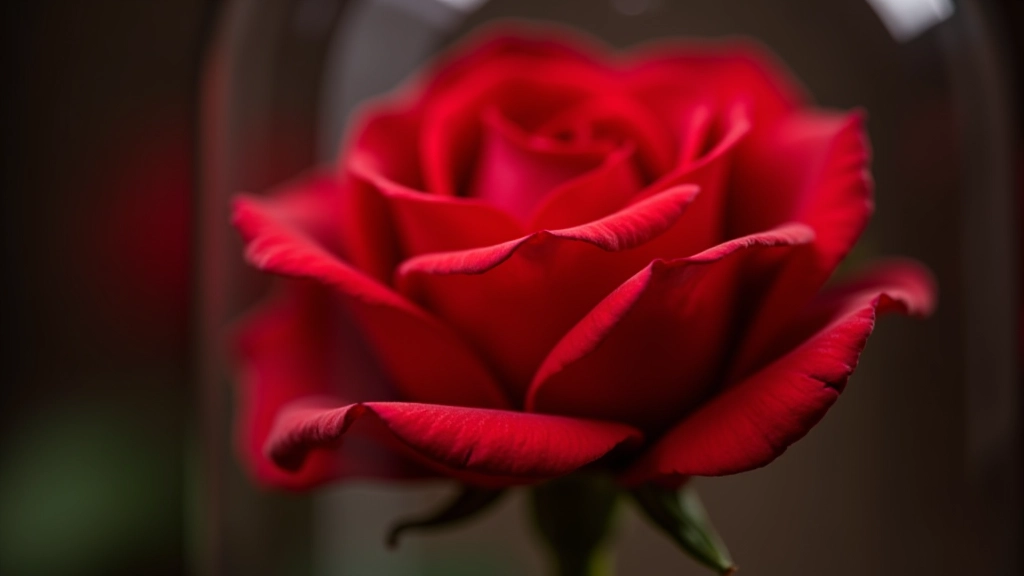
This is where the difference between decent and great shows up. Quality preserved roses look like actual roses — they've got depth to the color, texture in the petals, and they don't feel waxy or artificial when you look closely.
Cheaper domes sometimes use lower-grade roses that've been over-processed. The petals can look dull or feel brittle. The color might be uniform in a way that screams "not real." You want roses that still feel like they could've come from a garden, just frozen in time.
Check product photos carefully. Look for natural color variation. Real roses don't have one flat tone — there's shading, there's depth. If the photo shows petals that all look identical, that's a red flag. Also pay attention to the stem and leaves. Quality matters there too. They shouldn't look like plastic.
Preserved roses are real flowers that've been treated to last longer. They're not artificial. That said, they're not fresh either — they won't smell like fresh roses or have the same delicate feel. They're designed to be beautiful and lasting, but in a different way than a fresh bouquet. Circumstances vary based on storage conditions, humidity levels, and handling, so actual lifespan may differ from the estimated 3-5 years depending on your specific environment.
The dome itself matters. You're looking at clear glass mostly, which is standard. But the quality of that glass varies. Good glass is actually clear — no bubbles, no cloudiness, no visible imperfections. Cheaper versions sometimes have trapped air bubbles or a slight haze that catches light wrong.
Shape options include the classic bell dome (rounded top), flat-topped domes, and variations. Bell domes feel more elegant and traditional. Flat-topped ones are more modern and minimalist. Neither's better — it depends on your space and taste.
Base material also changes the feel. Wood bases (usually oak or walnut-stained MDF) give warmth. Metal bases feel sleeker. Marble or stone bases look luxury but can be heavy. Think about your décor. A marble base looks wrong in a minimalist modern room, but perfect in a romantic or classic space.
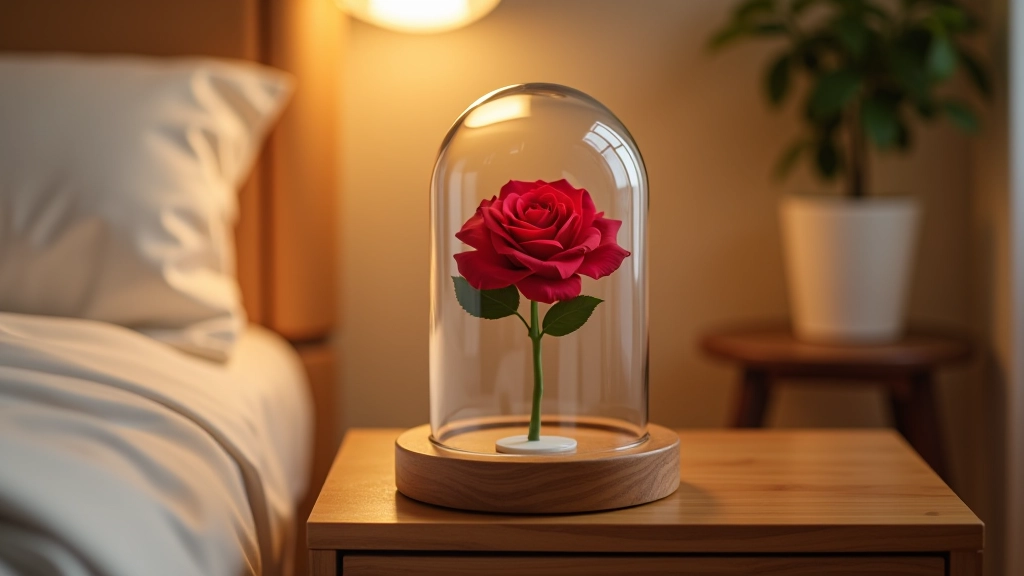
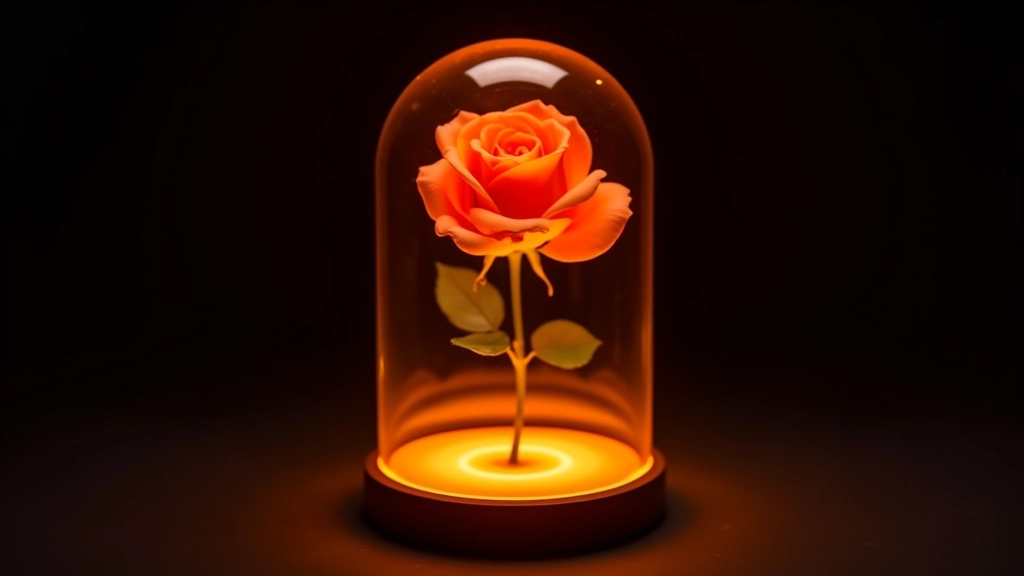
This is where you make a choice. Some domes come with built-in LED lights in the base. Others don't. Both work fine — it's about what you want aesthetically.
LED lighting transforms the piece, especially at night. Warm white LEDs (around 2700-3000K) look natural and romantic. Cool white LEDs feel more modern. Some higher-end versions have adjustable brightness or color options. That's nice if you want flexibility.
The downside? LED bases add cost and need a power source. They take up more shelf space sometimes. No-LED versions are simpler and cheaper. They work beautifully during the day and still look elegant without lighting. You're just not getting that dramatic nighttime effect.
Consider your space. Do you have easy access to a power outlet? Will you actually use it? If the dome's sitting in natural daylight most of the time, you might not need it. But if it's on a desk or in a dim corner, LED lighting makes it shine.
Classic red is the most popular — it's romantic, timeless, and works with almost any décor. But that doesn't mean you have to go red. Pink ranges from soft blush to deep magenta. White and cream roses are elegant and understated. There are even purple, orange, and mixed-color options.
The color you pick should fit your space. A deep burgundy dome in a bright, minimalist room looks out of place. A soft pink in a modern space might feel too traditional. Think about your walls, your furniture, your overall vibe. The rose should complement, not clash.
Also consider who it's for. Giving it as a gift? Think about their space and taste. Some people love statement pieces. Others prefer subtle. You're not just buying a rose — you're picking something that'll sit in someone's home for years.
Picking your first preserved rose dome comes down to a few key questions: What size fits your space? What quality level matches your budget? Do you want LED lighting or keep it simple? What color speaks to you? Answer those, and you'll narrow it down quickly.
Don't rush it. Look at photos from different angles. Read descriptions carefully. Check if the seller includes care instructions — that matters. And remember, you're buying something that'll last years. A little research now saves regrets later.
Once you've picked one, you'll understand why preserved rose domes have become so popular. They're beautiful, they're practical, and they feel special. You've got this.

Editorial Team
Written by the girocroft editorial team, focused on honest guidance about preserved rose gifts and glass dome displays.
Preserved roses last years with minimal care. We cover dusting, humidity, light conditions, and storage tips to keep your dome looking fresh.
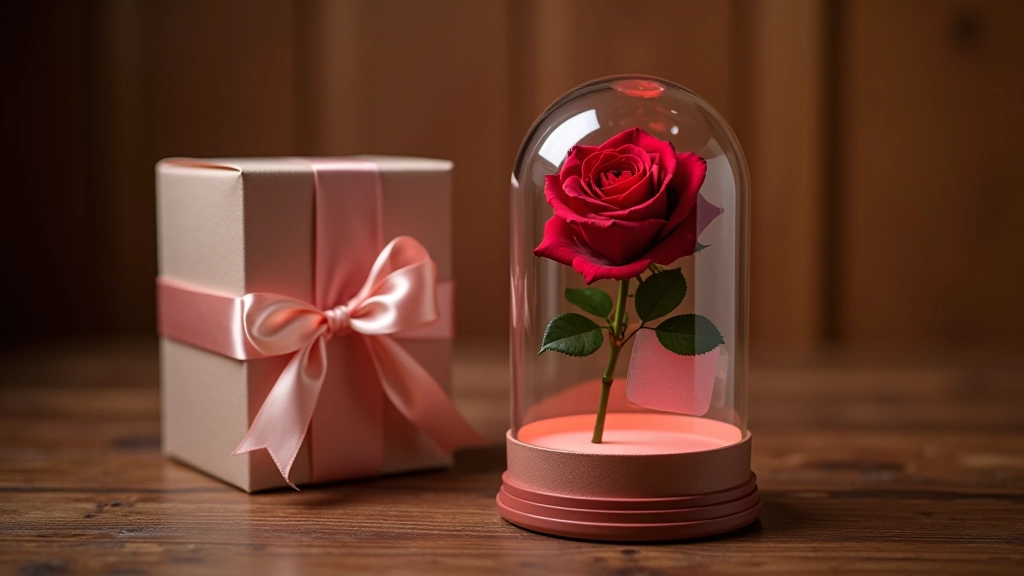
From anniversaries to birthdays, discover which rose arrangements work best for different occasions and relationships.
How are roses preserved to last for years? We explain the science behind preservation techniques and what makes them work.